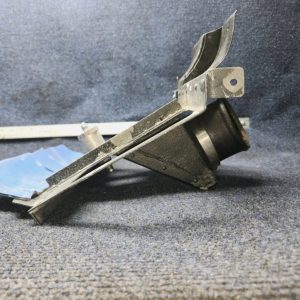
P/N 2455038-2 may support scheduled maintenance, engine-compartment restoration, corrosion repair, accident recovery, or project-aircraft completion.
The Cessna 172RG Rear Right-Hand Baffle and Cessna 172RG Engine Baffle terms describe related engine-compartment structures, while the exact Cessna 172RG Cooling Baffle should remain identified by P/N 2455038-2.
The Cessna Cutlass Engine Baffle and Aircraft Engine Baffle Assembly keywords help qualified buyers locate relevant replacement parts.
Whether buyers require a Cessna Engine Cooling Baffle, Aircraft Cooling Air Baffle, or Cessna 172RG Airflow Baffle, surrounding seals and attachment points should also be inspected.
Accurate use of Cessna 172RG Replacement Baffle terminology supports buyer discovery while preserving technical clarity.
Key Identification Details for the Cutlass Baffle
The seller should provide photographs of identification markings, flanges, holes, brackets, edges, formed contours, and previous repairs.
Strong traceability improves the commercial and maintenance value of the Cessna 172RG Rear RH Baffle Assembly.
Purpose of the Rear RH Engine Baffle
The component should not be considered an isolated panel because its effectiveness depends on the condition of the complete baffle arrangement.
A replacement component should restore the intended geometry without creating interference with cylinders, hoses, wiring, controls, exhaust parts, or cowling.
Cessna 172RG and Cutlass Compatibility
Aircraft-specific verification helps prevent unsuitable substitution and expensive rework.
A component that fits one aircraft approximately may still interfere with another installation.
Aircraft Engine Baffle Construction
Preserving original geometry supports proper alignment and airflow management.
Small distortions may create air gaps, cowling interference, fastener misalignment, or stress around mounting points.
Assessing a Used Cessna Baffle
Inspection should begin with the baffle clean enough to reveal cracks, corrosion, dents, distortion, elongated holes, fretting, damaged flanges, broken brackets, and previous repairs.
Unusual waviness or twisted geometry should be measured rather than dismissed as cosmetic.
Maintaining an Effective Cooling Boundary
Old seals may be useful as templates even when they are unsuitable for continued service.
Replacement seal material should correspond with the intended aircraft installation and suitable technical requirements.
Corrosion Inspection and Prevention
Aggressive sanding or grinding can remove structural material and complicate assessment.
Protective coatings should be compatible with the material and intended engine-compartment environment.
Evaluating Fretting and Elongated Holes
Stop-drilled cracks should not be treated as complete repairs without supporting technical information.
Correct attachment practices support secure and maintainable baffle installation.
Supporting Components Around the Rear RH Baffle
A rear-baffle replacement may require adjacent baffles, seals, brackets, clips, fasteners, retainers, supports, and cowling-related components.
Donor-aircraft history may provide context but does not establish present serviceability.
Diagnosing Cessna 172RG Cooling Concerns
Unexpected engine temperatures should be investigated through a structured review of instrumentation, engine condition, airflow, baffles, seals, cowling, operation, and environmental factors.
The condition of cylinder fins, oil cooler airflow, hoses, ignition timing, induction, check here exhaust, and other engine systems may also influence operating temperatures.
Evaluating Baffle Repair Value
The technician should consider access, labor, material, finishing, alignment, seals, and future maintainability.
Patches or replacement brackets should not create interference with the engine, cowling, controls, wiring, hoses, or exhaust system.
Commercial Value of the Cessna 172RG Baffle
Components with clear donor-aircraft information, current photographs, and transparent condition descriptions are easier for professional buyers to evaluate.
Unsupported direct-fit, cooling-performance, or airworthiness claims should be avoided.
Evaluating P/N 2455038-2
The seller should provide photographs showing both sides, flanges, holes, brackets, contours, edges, markings, corrosion areas, seals, and repairs.
- Request clear photographs of every surface, marking, hole, bend, bracket, flange, crack, repair, corrosion area, and included component.
- Do not treat clean paint, straight appearance, or donor-aircraft history as proof of current serviceability.
- Retain purchase records, photographs, measurements, traceability information, inspection findings, repair data, and shipping documents with the project file.
Protecting Cessna Engine Baffles in Transit
Padding should prevent direct contact with hard surfaces without trapping damaging moisture.
During storage, the component should remain supported in its natural shape rather than leaning under loads that may cause distortion.
Professional Engine Baffle Installation
The baffle should be trial-fitted to confirm contour, hole alignment, bracket position, seal contact, engine clearance, and cowling relationship.
Temporary fitting can help reveal alignment and clearance concerns before final attachment.
Ground-operation observations should be completed through suitable procedures without promising a specific temperature improvement.
Routine Cessna Cutlass Baffle Care
Consistent inspection supports the condition of the complete Cessna engine cooling system.
Wiring, hoses, and controls should not rub against the baffle or create repeated loading.
Selecting a Cessna 172RG Cooling Component
The Cessna 172RG Rear RH Baffle Assembly
Careful technical and commercial evaluation can reduce fitment errors, missing-component costs, cooling-system gaps, installation delays, and unexpected corrosion findings.
Whether the component is purchased for scheduled maintenance, corrosion replacement, cooling-system repair, accident recovery, restoration, or spare-parts support, transparent information and professional oversight provide the strongest foundation.
With verified identity, suitable material condition, accurate geometry, professional installation, organized documentation, and routine inspection, the baffle can provide dependable long-term value.